BULK BUY PRICE
timberCentral
LVL’s Dimensional Stability: No Warping, No Worries
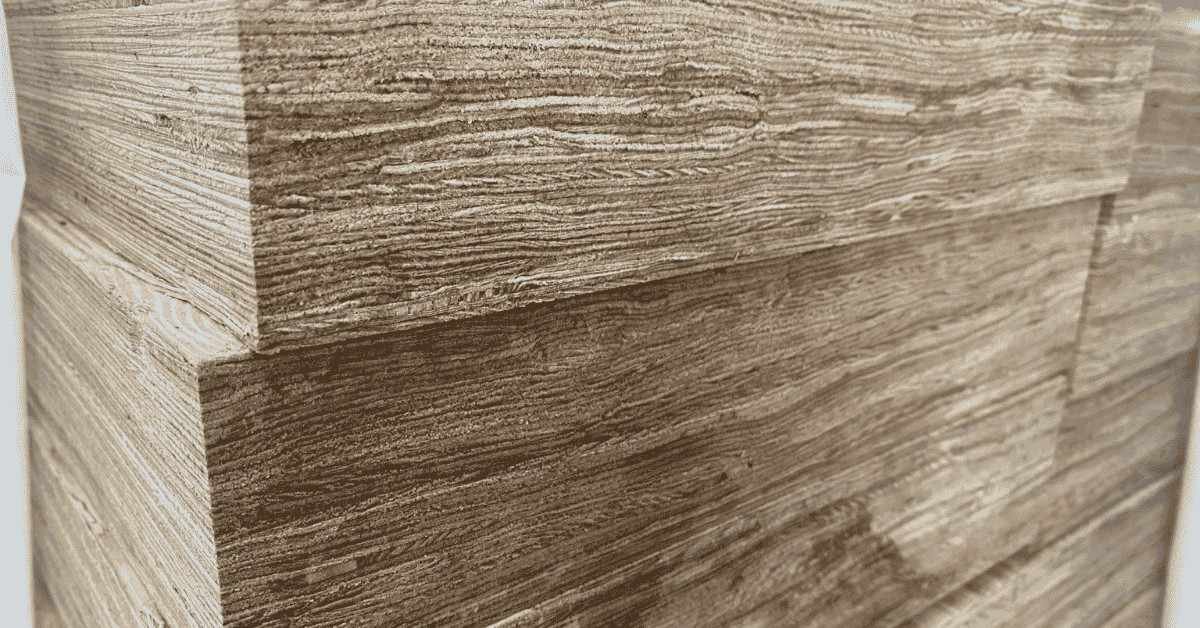
When building in Australia, the last thing needed is a beam that warps or twists on you. The clear answer is this: LVL (Laminated Veneer Lumber) offers superior dimensional stability; no warping, no surprises. Keep reading to see why that matters and how Timber Central delivers on that promise. Why Does Dimensional Stability Even Matter? … Read more
Longevity of LVL: What Maintenance Is Required Over Time?
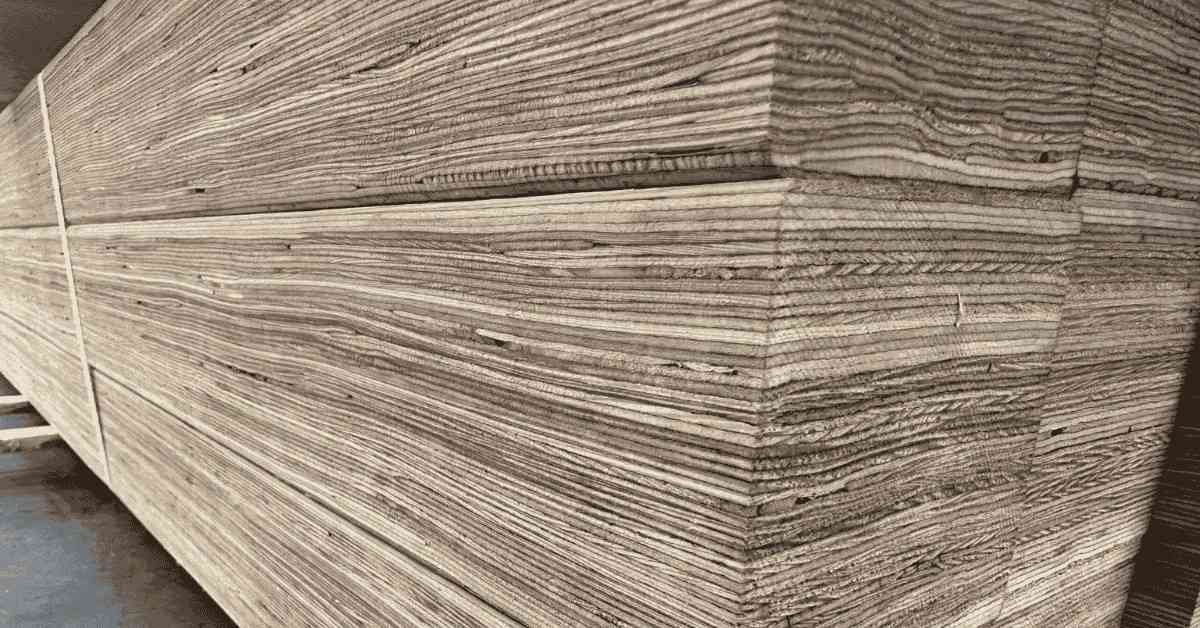
Short answer? Laminated Veneer Lumber (LVL) can last for decades, even up to 50 years or more, if it’s properly cared for. But like any building material, its longevity depends on how it’s treated after installation. Ignoring small maintenance steps can cut that lifespan short. So, how much care does LVL really need, and what … Read more
Why is F22 Bracing Ply Considered a Crucial Part of Your Architectural Plan?
When it comes to building or renovating, every material choice counts, and structural plywood is no exception. F22 bracing ply often costs more than standard options, which makes many builders and homeowners question whether it’s really worth it. The short answer? Yes, it usually is. F22 bracing ply offers the kind of strength, reliability, and … Read more
Why is F22 Bracing Ply Commonly Used in Cyclonic and High Wind Zones?
When building in areas prone to cyclones and high winds, choosing the right materials is not just smart, it’s vital. F22 Bracing Ply has become the go-to option for builders across Australia because it offers strength, reliability, and peace of mind. If a storm hits, this plywood stands firm, reducing the risk of structural damage … Read more
LVL vs Solid Timber: Why Engineered Lumber Is Leading the Way
In Australian construction, both Laminated Veneer Lumber (LVL) and solid timber are widely used. Each material has its own advantages, and the right choice depends on factors such as strength, stability, cost, and intended use. Understanding how they compare helps ensure reliable performance and long-term value in any project. What Is LVL? LVL, or Laminated … Read more
The Science Behind Machine Grading: What Makes MGP12 So Reliable
MGP12 denotes machine-graded pine with a structural capacity of 12,000 MPa. It is sourced from plantation-grown radiata pine and is primarily dry, making it suitable for structural and outdoor applications. Machine grading ensures that each piece meets strict strength and stiffness standards, providing consistent quality and reliability for construction purposes. Unlike visual grading, machine grading … Read more
Why Builders Choose MGP12 for Reliable Framing and Flooring
The structural performance of a building depends heavily on the quality of the timber used. Floors, joists, and roof framing all rely on timber that can handle significant loads without excessive movement. Choosing the right grade is not only about compliance but also about reducing the risk of long-term issues such as sagging, squeaks, or … Read more
Why MGP10’s Machine Grading Makes It Consistently Reliable
When you’re building, the last thing you want is uncertainty about the materials you’re using. Timber might all look the same at first glance, but its strength and reliability can vary a lot. That’s why structural timber in Australia is graded. It gives builders confidence that the timber they’re working with will do the job … Read more
Why Builders Trust F17 KD Hardwood for Long-Term Reliability on Site
You know the pressure. Deadlines are tight, clients expect perfection, and the timber you choose must perform. A poor choice doesn’t just cause delays. It risks the structure, the budget, and your reputation. This is where F17 KD Hardwood earns its place on site. Builders across Australia rely on it, not just for strength today, … Read more
Fibre Cement Sheets for Wet Areas: Why They’re Worth Considering in Your Home
The hidden problem in wet areas Bathrooms, laundries, and kitchens are some of the hardest-working rooms in any Australian home. They deal with steam, splashes, and humidity every single day. Yet too often, the walls behind those tiles or painted finishes are built with materials that just can’t keep up. Standard plasterboard, for example, may … Read more